
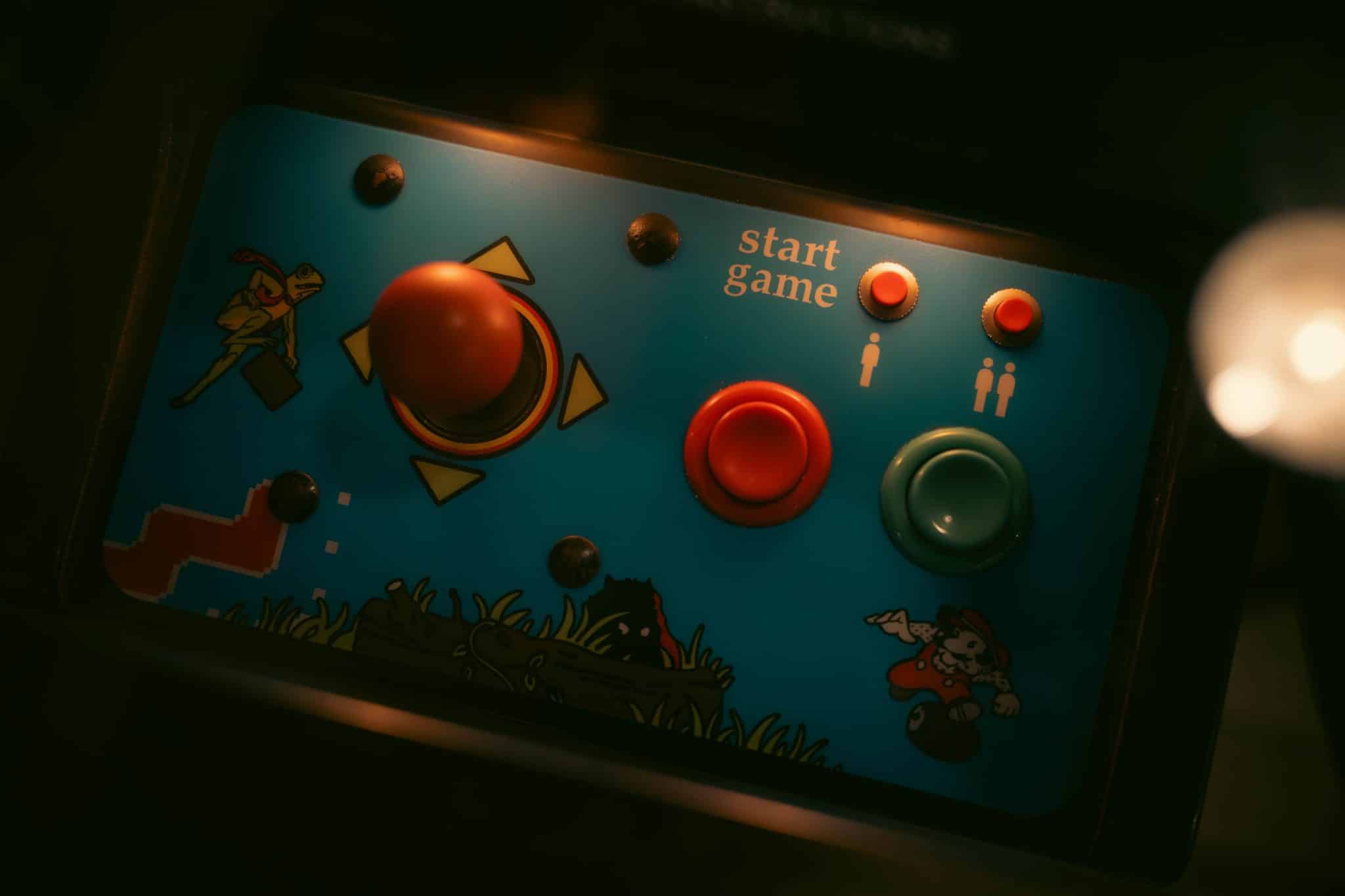
Anyone who spent an afternoon feeding quarters into a Galaga cabinet or grinding experience points in Final Fantasy on the NES already understands something that modern game designers rediscovered decades later: good design sticks.
The mechanics that made 8-bit and 16-bit games addictive didn’t disappear when consoles got more powerful. They migrated, quietly and thoroughly, into genres nobody expected, including online casino games. The lineage is traceable, deliberate, and worth examining piece by piece.
Pixel Art and Chip Music Never Left the Building
Walk through a modern online slot catalog, and the aesthetic choices start to look familiar fast. Limited color palettes. Looping four-bar chiptune melodies. Sprite-based animation that communicates a win or a miss in under a second, the same way a Mega Man stage told you instantly whether you’d cleared a jump.
This isn’t nostalgia bait tacked on for marketing purposes.
It’s a direct reuse of the sensory shorthand that NES- and SNES-era developers spent years refining because that shorthand works. Play’n GO and NetEnt have both leaned into this openly, building retro-themed slot series that recreate arcade cabinet framing down to the scanline effects.
Titles like Jackpot Party do something similar, borrowing the bright, high-contrast visual language that lets a player recognize game state at a glance, a skill anyone who owns a Game Boy already has.
It’s the same reason platforms such as BetUS have built out an online casino game selection where that pixel-and-chiptune influence sits right alongside more modern visual styles, because the design DNA still performs. The audio-visual loop that made Contra readable at a glance is now making a slot reel readable at a glance.
Progression Loops, From Hyrule to the Lobby
The earn, unlock, level-up structure wasn’t invented by mobile games or casino platforms.
It was built and stress-tested across an entire generation of Nintendo titles. The Legend of Zelda taught players to expect a new item behind every dungeon. Super Mario World taught them that finding a secret exit unlocked a new path on the map screen.
That structure, hidden reward leading to visible progress leading to renewed motivation, is now standard architecture in online casino platforms. Loyalty tiers function like an RPG’s level system. Daily missions mirror the checklist design of a platformer’s collectible run. XP meters and achievement badges are lifted almost wholesale from console-era design documents.
The psychological hook is identical: “one more level” and “one more spin” are the same sentence with different vocabulary. Both rely on variable reward timing, the thing that made grinding for a rare item drop in an SNES RPG feel worthwhile even on the fortieth attempt.
The Coin-Op Logic Behind the Bankroll
Before home consoles dominated, arcades trained an entire generation to think about entertainment in small, repeatable cost units. A quarter bought a few minutes and a shot at a high score. Lose your ship in Asteroids, and the decision to keep playing costs almost nothing to make.
That psychology, low barrier, immediate feedback, quick re-entry, is the direct ancestor of the low minimum deposit model common across online gaming today. A one-to-five-dollar deposit isn’t just a business decision. It’s a UX pattern with roots in the coin slot of a Street Fighter II cabinet. The credits counter on an arcade screen and a modern account balance display serve the same cognitive function: they keep the cost of continuing small enough that the decision barely registers as a decision at all.
Boss Fights, Bonus Rounds, and the Payoff of Patience
Every retro gamer remembers the moment the music changed before a boss door. Castlevania, Mega Man, Contra, all of them signaled escalation through sound and visual intensity before the player even saw the enemy. That structural trick, building tension through audio and lighting cues to mark a peak moment, maps almost perfectly onto how bonus rounds function in modern slot design.
The reel slows, the palette shifts, the soundtrack swells, and the player understands instinctively that this is the payoff for the grind that preceded it. This isn’t a coincidental overlap. Plenty of designers who cut their teeth at traditional video game studios moved into casino game development over the past fifteen years, and they brought that structural thinking with them on purpose. The boss fight and the bonus round exist for the same reason: to reward patience with a moment that feels earned.
None of this is an accident of convergent evolution. It’s an industry openly borrowing from a design tradition built on cartridges, coin slots, and CRT screens, because that tradition figured out how to hold attention long before anyone coded a single reel.